7 Best Archaeological Sites in Bolivia to See in 2026
Bolivia is one of South America’s most rewarding destinations for travelers who love history, ancient engineering, and living Indigenous culture. The country is home to some of the most impressive Archaeological Sites in Bolivia, where pre-Inca, Tiwanaku, Inca, and colonial-era legacies still shape the landscape.
In 2026, these places are more relevant than ever for responsible travel. Better road access, growing local tourism, and stronger heritage awareness make it easier to explore Bolivia’s past while supporting the communities that protect it.
1- Tiwanaku Archaeological Complex
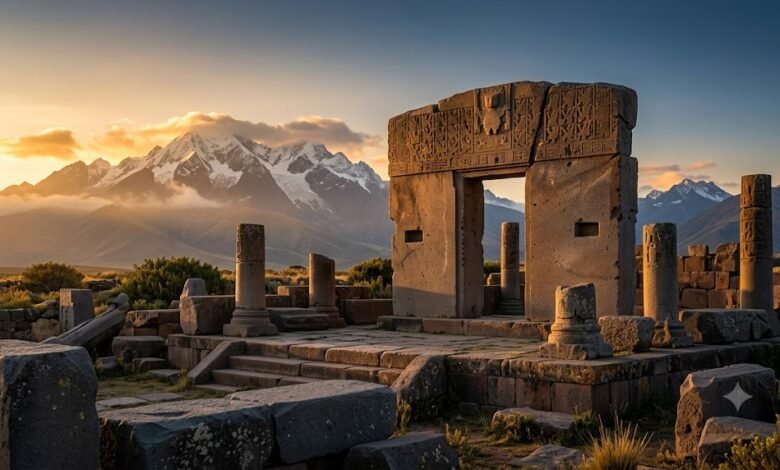
Tiwanaku is the most famous of all Archaeological Sites in Bolivia, and for good reason. Located near Lake Titicaca, this UNESCO World Heritage Site was once the center of a powerful pre-Inca civilization that influenced much of the Andes.
The site is known for its monumental stone architecture, precise carving, and advanced astronomical knowledge. The Gateway of the Sun, Kalasasaya Temple, and Akapana pyramid remain essential highlights.
For visitors, the best experience comes from going with a guide who can explain the symbolic meaning of the carvings and the site’s role in Andean history. If possible, arrive early in the day, when the light is soft and the crowds are smaller. The altitude is high, so slow movement, water, and sun protection are important.
2- Puma Punku
Puma Punku sits near Tiwanaku and is often included in the same archaeological visit. It is famous for its massive stone blocks, fine cuts, and complex stone joints that continue to attract researchers and travelers alike.
What makes Puma Punku especially fascinating is the engineering precision. Some stones were shaped with such accuracy that modern visitors often underestimate how much planning and labor was required to move and assemble them.
When visiting, take time to look closely at the stone work rather than rushing through the site. A knowledgeable guide can help separate real archaeology from popular myths, which are common here. Among Archaeological Sites in Bolivia, Puma Punku is one of the best places to appreciate ancient construction skills.
3- Isla del Sol
Isla del Sol, or the Island of the Sun, is a sacred place in Lake Titicaca and one of the most meaningful archaeological and cultural landscapes in Bolivia. According to Andean tradition, it is linked to the origin stories of the Inca Empire.

The island contains Inca terraces, ritual pathways, stone ruins, and panoramic views of the lake. The walking routes between communities also reveal how ancient land use still influences life today.
This site is best explored on foot, with comfortable shoes and enough time for the climb. The island is not just a scenic stop; it is a living heritage landscape. When people speak about Archaeological Sites in Bolivia, Isla del Sol deserves attention because it combines archaeology, spirituality, and everyday local life in one place.
4- Incallajta
Incallajta is one of Bolivia’s largest and most impressive Inca sites, yet it remains less crowded than many famous ruins in the Andes. Located in the Cochabamba region, it was an important administrative and military center during the expansion of the Inca state.
The site includes large plazas, defensive walls, ceremonial areas, and stone structures spread across a dramatic mountain setting. Its scale gives a strong sense of how the Inca organized territory and controlled movement through the highlands.
Because the site is remote, planning matters. A 4×4 vehicle is often useful, and visitors should carry water, food, and sun protection. The payoff is a more peaceful experience and a better chance to study the architecture without heavy tourist traffic. For travelers interested in lesser-known Archaeological Sites in Bolivia, Incallajta is a standout choice.
5- Samaipata Fort
Samaipata Fort, or El Fuerte de Samaipata, is one of the most unusual archaeological places in the country. It combines pre-Inca ceremonial carvings, later Inca use, and colonial history in a single dramatic location.
The site’s most famous feature is the huge carved sandstone rock with channels, niches, and animal figures. Scholars believe it may have served ritual, astronomical, or administrative purposes, though its exact meaning is still debated.
The surrounding area is also excellent for travel in 2026 because Samaipata offers a blend of archaeology, mountain scenery, and comfortable infrastructure. Spend time with a guide or interpretive materials to understand the different cultural layers. This is one of the Archaeological Sites in Bolivia where the past is especially visible in the landscape itself.
6- Cotoca and the Eastern Lowland Ruins
Bolivia’s eastern lowlands are often overlooked, but they contain important archaeological remains that show the diversity of ancient life in the region. Sites near Cotoca and other lowland areas reveal pre-Columbian settlement patterns, ceremonial spaces, and earthworks that challenge the idea that history in Bolivia was limited to the high Andes.
These places are important because they highlight adaptation to tropical and subtropical environments. Ancient communities developed farming, trade, and settlement systems suited to forests, plains, and seasonal water conditions.
Visitors should approach these sites with realistic expectations, as infrastructure is often limited compared with the main highland attractions. Still, they offer valuable insight into the broader story of Archaeological Sites in Bolivia and help explain how varied the country’s past really is.
7- Chullpas of the Bolivian Highlands
The chullpas, or funerary towers, scattered across parts of the Bolivian highlands are among the most powerful archaeological monuments in the country. Built by pre-Inca groups and later used in some regions during the Inca period, these structures were designed to honor elite ancestors.
Many chullpas are built from stone or adobe and are found in elevated locations with wide views of the surrounding land. Their placement was not random. In Andean thought, ancestor worship and landscape orientation were deeply connected.
Visiting chullpas requires care, since many are fragile and not heavily managed. Stay on marked paths when available and avoid touching or climbing the structures. For travelers seeking a deeper understanding of funerary traditions, these are some of the most meaningful Archaeological Sites in Bolivia.
Frequently Asked Questions (FAQs)
What is the most important archaeological site in Bolivia?
Tiwanaku is generally considered the most important because of its size, influence, and UNESCO status. It was a major pre-Inca center with advanced stone architecture and deep cultural significance.
Is it safe to visit archaeological sites in Bolivia in 2026?
Most major sites are safe for visitors, especially when you travel with local guides or reputable tour operators. Standard precautions apply, including staying aware of altitude, weather, transportation, and site rules.
Do I need a guide to visit these sites?
A guide is not always required, but it is highly recommended. Many sites have complex histories, and a guide can explain architecture, symbolism, and local traditions in a way that makes the visit far more valuable.
Which archaeological site in Bolivia is best for first-time visitors?
Tiwanaku is the best starting point for most first-time travelers. It is accessible, historically rich, and gives a strong introduction to the broader story of Archaeological Sites in Bolivia.
Conclusion
Bolivia offers far more than scenery and mountain adventure. Its ancient ruins, sacred islands, ceremonial centers, and funerary monuments reveal a deep and layered past that still lives in local culture today.
From Tiwanaku to the lesser-known lowland sites, each destination adds a different chapter to the story of Archaeological Sites in Bolivia. For travelers in 2026, these places offer not just history, but a powerful connection to the civilizations that shaped the Andes and beyond.