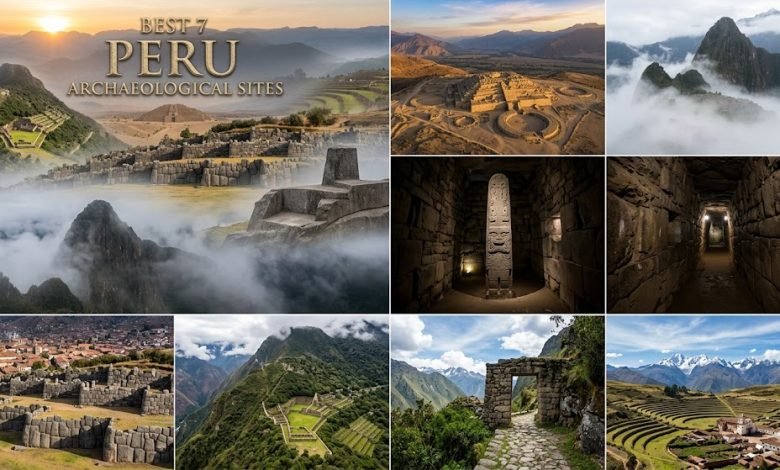
7 Best Archaeological Sites in Peru to Visit in 2026
Planning a trip to South America? Exploring the best archaeological sites in Peru offers a breathtaking journey into the ancient world. From hidden ruins to world-famous Inca citadels, this 2026 guide covers everything you need to know to make your historical adventure truly unforgettable. Let’s dive into these magnificent destinations. Pro tip: June-August dry season perfect; acclimatize Cusco 2 days before high-altitude sites!
Best 7 Archaeological Sites in Peru for Lost Empire Secrets
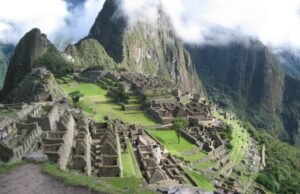
1- Machu Picchu
Inca’s “lost city” cloud citadel (1450 AD) Bingham’s 1911 rediscovery revealed 200 buildings precision-fit without mortar: Temple of Sun, Intihuatana sundial, agricultural terraces feeding 1,000. Astronomic alignments track solstices; Hiram Bingham called it “world’s most beautiful ruin.” Sacred Valley gateway to empire’s heavens.
How to visit: You can reach it via the world-famous Inca Trail Trek or by taking a scenic train ride to the town of Aguas Calientes.
2. The Mysterious Nazca Lines
Spread across 450 square kilometers, the Nazca Lines are among the most mysterious archaeological sites in Peru. Created between 200 BC and 600 AD, these massive geoglyphs—featuring hummingbirds, monkeys, and a 300-meter pelican—are truly visible only from the air. Formed by removing dark pebbles to reveal lighter soil, their true purpose remains a UNESCO-protected mystery, sparking theories from astronomical calendars to sacred water rituals.
3. Sacsayhuaman Fortress (Cusco)
Located just outside Cusco, Sacsayhuaman is an engineering marvel that ranks highly among top archaeological sites in Peru. Built around 1438 AD, its earthquake-proof zigzag walls feature 200-ton interlocking megaliths constructed entirely without mortar or wheels. Once supporting three grand temples to celebrate Emperor Pachacuti’s victories, this flawless fortress famously led the arriving Spaniards to believe it was built by giants.
4. The Ancient City of Caral (Norte Chico)
Dating back to 3000 BC, Caral is the oldest civilization in the Americas, offering a unique perspective compared to other famous archaeological sites in Peru. Predating Egypt’s pyramids, this peaceful, cotton-farming society built over 20 monumental pyramids and sunken plazas without using ceramics or metals. As a true cradle of the New World rivaling Mesopotamia, Caral showcases the deep, pre-Inca roots of South American history.
5- Choquequirao
Machu Picchu’s wilder sister (15th century) “Cradle of Gold” hidden in remote Salkantay canyon; 7,000 terraces, 3-step “Inca Cross,” 20+ golden llamas only visible from specific angles. 32km hike from Cachora Peru’s ultimate explorer’s prize, 75% unexcavated.
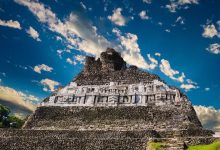
6- Chan Chan
Largest adobe city earth (850-1470 AD) Chimú Empire’s 20 sq km mudbrick capital housed 40,000; 11 walled citadels with T-shaped streets, huaca platforms, fishbone friezes. Moche influences; El Niño floods buried it perfectly UNESCO “world’s largest mud city.”
7- Kuelap Fortress (Chachapoyas)
“Machu Picchu of the North” (900 AD)—Cloud forest citadel 3,000m up; 420 circular houses inside 20m walls thicker than Egypt’s. Pukllay Square, 400+ niches possibly astronomical; cable car access since 2017. Pre-Inca Cloud People stronghold rivals Cusco complexes.
FAQs
Best time for Peru archaeological sites?
May-September (dry); June-July peak season but clearest skies for Nazca flights.
Solo traveler safety at remote ruins?
Good with agencies; Machu Picchu trains reliable, Choquequirao/Kuelap need guides.
Full Peru ruins itinerary length?
16 days: Cusco/Machu Picchu (5), Nazca (2), Caral/Lima (2), Trujillo/Chan Chan (2), Chachapoyas (3).
Entry fees & passes?
$45-70 USD/site; Machu Picchu $50, Sacsayhuaman $15 bundled with Cusco sites.
Drone & climbing restrictions?
Drones banned at Machu Picchu/Nazca; no climbing pyramids since 2018 regulations.
Conclusion: Why You Must Visit These Inca Ruins in 2026
Exploring these magnificent archaeological sites in Peru offers an unforgettable journey into the heart of the Inca Empire. From the breathtaking heights of Machu Picchu to the mysterious stone structures of the Sacred Valley, these iconic ruins showcase true ancient architectural brilliance.
As you plan your 2026 adventures, adding these top archaeological sites in Peru to your bucket list guarantees a truly transformative experience. If you love exploring ancient history, be sure to check out our other historical travel guides on the site!