7 Best Archaeological Sites in Brazil to Visit in 2026
Brazil is best known for rainforests, beaches, and cities, but it also protects a remarkable ancient record. The country’s deep past is preserved in cave art, burial grounds, early settlements, and rock shelters that reveal how humans adapted to diverse landscapes over thousands of years. For travelers and history lovers planning ahead, the most meaningful Archaeological Sites in Brazil offer both scientific value and unforgettable cultural experiences.
These places are not just photo stops. They are windows into migration, belief systems, survival strategies, and the long relationship between people and nature. In 2026, the best sites stand out for accessibility, research importance, and the quality of interpretation available to visitors.
7 Best Archaeological Sites in Brazil to Visit in 2026
1. Serra da Capivara National Park, Piauí
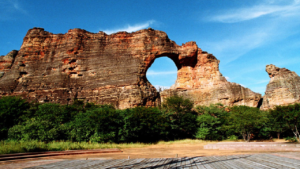
Serra da Capivara is the most famous of the Archaeological Sites in Brazil, and for good reason. It holds one of the largest concentrations of prehistoric rock art in the Americas, with thousands of paintings spread across sandstone cliffs and shelters.
The images show hunting scenes, ceremonies, animals, and daily life. Many scholars consider the region essential for understanding early human presence in South America, because excavations here have produced evidence that challenges older migration timelines. For visitors, well-marked trails and guided access make the experience both educational and manageable.
Plan extra time if you go. The park is large, the climate is hot and dry, and the most rewarding visits usually involve local guides who can explain the meaning of the art and the history of excavations.
2. Lagoa Santa Cave System, Minas Gerais
Lagoa Santa is one of the most important prehistoric regions in Brazil because it has shaped global debates about early human settlement in the Americas. The area includes limestone caves, fossil remains, and archaeological deposits linked to ancient populations.
The region became internationally known through the discovery of Luzia, one of the oldest human fossils found in the Americas. Even today, the caves and surrounding landscape remain central to studies of burial practices, diet, and mobility. This makes Lagoa Santa especially important for anyone interested in the scientific side of archaeology.
Visitors should focus on museums and protected sites rather than treating the area as a casual cave tour. Interpretation is strongest when you connect the field sites with the regional research story.
3. Pedra Pintada, Roraima
Pedra Pintada is a landmark site for understanding early occupation in northern Brazil. It is known for its painted rock shelter and evidence of ancient human activity in the Amazon region, a place once thought to be marginal for early settlement.
The site matters because it helps show how prehistoric groups adapted to tropical environments far earlier and more successfully than many people once believed. Excavations have produced tools, food remains, and dating evidence that continue to inform academic research.

For travelers, the appeal lies in the combination of archaeology and landscape. The site is best appreciated with context, since the real value of Pedra Pintada is not just the rock art, but the broader evidence of human resilience in the Amazon.
4. Sambaqui Sites on the Santa Catarina Coast
Sambaquis are ancient shell mounds built by coastal hunter-gatherer communities over thousands of years. The sites along Santa Catarina’s coast are among the best examples of this tradition and are key Archaeological Sites in Brazil for understanding marine-based societies.
These mounds are not simple piles of shells. They often contain burials, tools, hearths, animal remains, and layers of occupation that reveal complex social organization. In many cases, sambaquis show long-term use of coastal resources and changing environmental conditions.
If you visit, look for museum exhibits and protected areas that explain why these mounds matter. Erosion and development have threatened many sambaqui locations, so responsible tourism and conservation awareness are essential.
5. Amazonian Shell Mounds and Settlement Sites, Pará and Amapá
The Amazon is often described as a pristine wilderness, but archaeology tells a different story. Shell mounds, habitation sites, and earthworks in states such as Pará and Amapá show that ancient communities shaped the region for centuries.
These sites are valuable because they challenge the idea that the rainforest could only support small, scattered populations. Archaeological evidence points to complex resource management, trade networks, and landscape modification. Some sites also preserve ceramic traditions and food remains that help reconstruct ancient lifeways.
Access can be difficult, so many visitors experience this topic through museums, research centers, or guided community tourism. Still, the Amazonian record is one of the most exciting Archaeological Sites in Brazil for anyone interested in Indigenous history and environmental adaptation.
6. Toca do Boqueirão da Pedra Furada, Piauí
This shelter is part of the broader Serra da Capivara region, but it deserves special attention because of its role in debates about the earliest human presence in the Americas. The site is famous for excavated layers, stone tools, and rock art associations.
Its importance lies in the way it combines material evidence with long-running scientific discussion. Some findings from the area have been debated internationally, which makes the site especially significant in the history of archaeology, not just in Brazil.
For visitors, it offers a chance to see how field archaeology works in practice. The best experience comes from understanding the stratigraphy, dating methods, and why researchers continue to study the site so carefully.
7. Cemitério dos Índios and Other Indigenous Burial Sites, Southern Brazil
Burial sites across southern Brazil provide a sensitive and important perspective on ancient societies. While many are protected and not always open to the public, they are among the most meaningful Archaeological Sites in Brazil because they reveal ritual behavior, social identity, and community structure.
Indigenous burials often include grave goods, pottery, and signs of ceremonial treatment. These details help archaeologists understand beliefs about death and the afterlife, as well as regional differences among ancient groups. They also remind us that archaeology is about people, not just artifacts.
If you explore this theme, prioritize museums, interpretive centers, and officially protected areas. Respect for descendant communities is essential, and ethical archaeology should always be the standard.
Frequently Asked Questions (FAQs)
What makes Archaeological Sites in Brazil so important globally?
They preserve evidence of very early human occupation, rock art, burial traditions, and ancient coastal and Amazonian lifeways. Some of the findings have changed international ideas about when and how people first arrived in South America.
Which site is best for first-time visitors?
Serra da Capivara National Park is usually the best choice because it combines major archaeological value with visitor infrastructure. It also offers guided interpretation that helps non-specialists understand the sites.
Are these sites suitable for family travel?
Yes, but some require long walks, heat management, and advance planning. Museums, visitor centers, and guided trails are the most family-friendly options.
Do I need a guide to visit these places?
A guide is strongly recommended at most sites. Good guides improve safety, explain the historical context, and help visitors understand what they are seeing.
Conclusion
Brazil’s ancient record is far richer than many travelers expect. From painted shelters in the dry northeast to shell mounds on the coast and burial sites in the south, these places reveal the depth and diversity of the country’s human past. For 2026, the most rewarding Archaeological Sites in Brazil are those that combine strong scientific significance with respectful, well-managed visitor access.