7 Best Hidden Natural Wonders to Explore in 2026
The world still holds places that feel untouched, rare, and deeply inspiring. For travelers who want more than famous landmarks, Hidden Natural Wonders offer a chance to see landscapes that remain wild, remote, and surprisingly quiet.
In 2026, these destinations matter even more because travelers are seeking meaningful experiences, sustainable adventure, and fewer crowds. The seven places below stand out for their geological beauty, ecological value, and the sense of discovery they create.
The 7 Best Hidden Natural Wonders to Explore in 2026
1- The Marble Caves, Chile
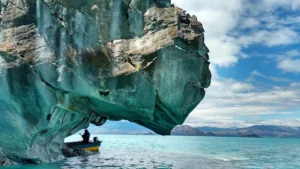
The Marble Caves on General Carrera Lake are one of the most visually striking natural sites in South America. Smooth marble walls shaped by thousands of years of wave action create glowing blue chambers that seem almost unreal.
The best time to visit is when the lake water is calm and the light is strong, usually during the southern summer. Small boat tours are the safest and most practical way to explore the caves, and visitors should book early because weather can change quickly in Patagonia.
From an expert travel perspective, this site is special because its colors shift with water level and sunlight. That means no two visits look exactly the same, which is part of the appeal of Hidden Natural Wonders.
2- Lençóis Maranhenses, Brazil
Lençóis Maranhenses looks like a desert at first glance, but it is actually a unique ecosystem of white sand dunes filled with seasonal freshwater lagoons. The contrast between bright dunes and turquoise pools makes it one of the most memorable landscapes in the world.
The lagoons are usually fullest after the rainy season, so timing is critical. Travelers should plan with local guides who understand dune access, water depth, and weather conditions, because this area is beautiful but delicate.
What makes this destination remarkable is the way climate and geography work together to create temporary natural pools. For photographers, hikers, and nature lovers, it is one of the most rewarding Hidden Natural Wonders to see in person.
3- The Waitomo Glowworm Caves, New Zealand
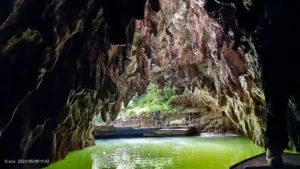
The Waitomo Glowworm Caves are famous for their underground beauty, where thousands of glowworms create a star-like ceiling inside dark limestone caverns. The effect is quiet, dramatic, and unlike any standard cave visit.
Visitors can explore by guided walk, boat, or more adventurous cave routes depending on fitness level and comfort. Choosing a small-group tour often improves the experience because it reduces noise and allows more time to observe the glowworms.
This site is important not just for its beauty, but also for its fragile ecosystem. Low light, low noise, and responsible tourism help protect one of the most iconic Hidden Natural Wonders in the Southern Hemisphere.
4- Socotra Island, Yemen
Socotra Island is often described as the most alien-looking island on Earth. Its dragon blood trees, desert roses, and isolated biodiversity make it feel completely separate from the modern world.
Because of its remoteness, travel requires careful planning, flexible scheduling, and strong local coordination. Conditions can be challenging, but that isolation is also what preserved its unusual plant life and marine environments.
For travelers interested in ecology, Socotra is a living lesson in evolution and adaptation. The island’s species developed in isolation for millions of years, making it one of the most scientifically important Hidden Natural Wonders anywhere on the planet.
5- Mount Roraima, Venezuela, Brazil, and Guyana
Mount Roraima is a massive tabletop mountain with vertical cliffs and a cloud-covered summit that inspired legends and scientific curiosity alike. Its ancient rock formations are among the oldest exposed surfaces on Earth.
Reaching the top usually requires a multi-day trek with experienced local guides. The terrain is demanding, but the reward is a surreal plateau filled with unique plants, misty valleys, and rock formations that look almost lunar.
This destination is especially valuable for serious trekkers because it blends physical challenge with deep geological history. As one of the most dramatic Hidden Natural Wonders, it offers both adventure and a rare sense of standing on ancient ground.
6- The Pamukkale Travertines, Turkey
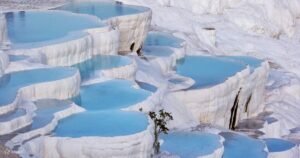
Pamukkale is known for its white mineral terraces formed by calcium-rich thermal waters flowing over time. The name means “cotton castle,” and the terraces truly look like frozen waterfalls made of stone.
Although it is more accessible than some remote sites, it still deserves a place on this list because of its natural process and visual impact. Visitors should walk only in permitted areas to protect the terraces, since foot traffic and poor management can damage the formations.
The best experience comes when travelers combine the natural site with an understanding of how hot springs build travertine layers. That geological story adds depth to the beauty and helps explain why it remains one of the most admired Hidden Natural Wonders in Eurasia.
7- Tsingy de Bemaraha, Madagascar
Tsingy de Bemaraha is a limestone forest of razor-sharp stone pinnacles, narrow canyons, and suspended walkways. The name “Tsingy” means “where one cannot walk barefoot,” which is a fitting description of this extraordinary terrain.
This site requires good physical fitness and a willingness to follow guided routes carefully. The best visits happen with experienced local teams who can navigate the karst formations safely and explain the area’s rare wildlife.
Its value goes beyond appearance. Tsingy is a major habitat for endemic species, and its protected status is crucial for conservation. For travelers who want raw, complex landscapes, it is one of the most unforgettable Hidden Natural Wonders in Africa.
Frequently Asked Questions (FAQs)
What makes a place a hidden natural wonder?
A hidden natural wonder is usually remote, less commercialized, or difficult to access. It often has unusual geology, rare ecosystems, or dramatic scenery that is not widely known by mainstream travelers.
When is the best time to visit these natural sites?
The best time depends on local climate and seasonal conditions. In many cases, dry or shoulder seasons offer safer travel, better visibility, and fewer crowds.
Are these destinations suitable for all travelers?
Not all of them are. Some require trekking, boat access, or good physical condition, while others are easier to reach but still need careful planning.
How can travelers protect fragile natural environments?
Follow local rules, stay on marked paths, use licensed guides, and avoid leaving waste behind. Responsible travel helps preserve these places for future generations.
Conclusion
Exploring Hidden Natural Wonders in 2026 is about more than checking off destinations. It is about discovering landscapes that feel rare, protecting fragile ecosystems, and traveling with curiosity and respect.
From marble caves and glowing caverns to isolated islands and stone forests, each destination on this list offers a different kind of wonder. For travelers who want adventure with meaning, Hidden Natural Wonders remain some of the most rewarding places on Earth to explore.