7 Best Meteorite Impact Craters to Visit in 2026
Earth has been hit by many space rocks over its long history, but only a few impact sites remain visible and accessible today. These places are more than dramatic landscapes; they are geological records of extreme energy, ancient climate clues, and some of the best field examples for studying planetary science.
For travelers, scientists, and curious readers alike, the best Meteorite Impact Craters offer a rare chance to stand at a place shaped by a collision with space. In 2026, these seven destinations stand out for their scientific value, visitor access, and unforgettable scenery.
The 7 Best Meteorite Impact Craters to Visit in 2026
1. Barringer Crater, Arizona, USA
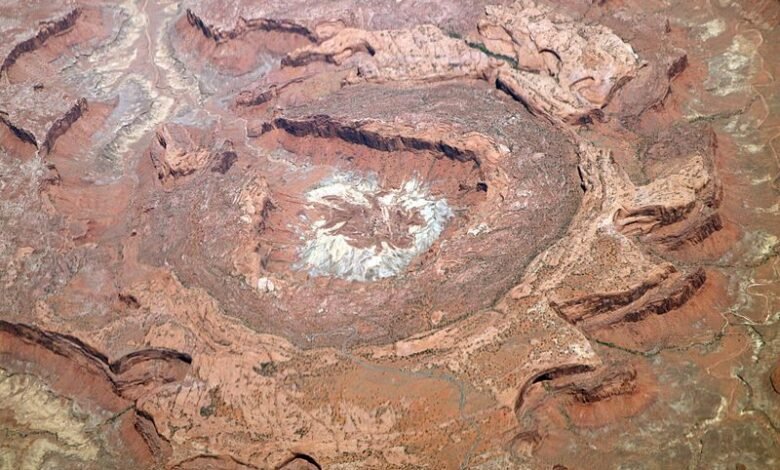
Barringer Crater, also known as Meteor Crater, is one of the most famous impact sites in the world. It is about 1.2 kilometers wide and was formed roughly 50,000 years ago by an iron meteorite that struck at high speed.
This crater is often considered the gold standard for studying fresh impact features because its shape is still crisp and well preserved. Visitors can explore the rim, museum, and viewing areas, making it one of the most educational Meteorite Impact Craters to visit in North America.
What makes it especially valuable is the clarity of the impact evidence. Shattered rock layers, impact breccia, and massive excavation of material are all visible in the surrounding geology, which makes it ideal for anyone interested in planetary formation or Earth sciences.
2. Chicxulub Crater, Yucatán Peninsula, Mexico
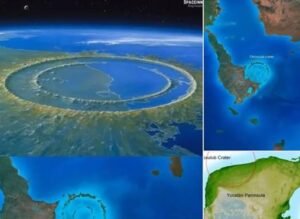
Chicxulub is one of the most important impact structures in Earth history because it is linked to the mass extinction that ended the age of the dinosaurs. The crater is mostly buried beneath the Yucatán Peninsula and the Gulf of Mexico, but its scientific importance is unmatched.
Although you cannot walk across a clean crater floor here, the region offers excellent educational tourism through museums, geology tours, and nearby coastal sites. For serious travelers studying Meteorite Impact Craters, Chicxulub is essential because it shows how a hidden structure can reshape life on Earth.
The scale is enormous, with estimates placing the impactor at around 10 to 15 kilometers wide. Its boundary ring, buried rocks, and drilled samples have helped researchers understand how large impacts affect the atmosphere, oceans, and global climate.
3. Wolfe Creek Crater, Western Australia
Wolfe Creek Crater is one of the best-preserved impact craters in Australia and the second-largest meteorite crater in the country. It is about 880 meters wide and is estimated to be around 300,000 years old.
This crater sits in a remote desert setting, which gives it a powerful and almost untouched feel. The circular rim is easy to see from the lookout, and short walks lead to the crater floor for visitors who want a closer experience.
Wolfe Creek is a strong example of how erosion, arid climate, and geological stability can preserve an impact site for a long time. Among Meteorite Impact Craters open to the public, it offers one of the most striking combinations of natural beauty and scientific interest.
4. Lonar Crater, Maharashtra, India
Lonar Crater is a rare impact structure formed in basalt, which makes it especially important for scientific study. It is about 1.8 kilometers across and formed around 50,000 to 60,000 years ago.
What makes Lonar unique is the lake inside the crater. The water is highly saline and alkaline, which supports unusual microbial life and creates a special ecosystem that attracts researchers from around the world.
Visitors can see the crater rim, temple sites, and the lake basin, though access rules may vary depending on conservation needs. For travelers interested in Meteorite Impact Craters with both geological and ecological value, Lonar is one of the most fascinating choices in Asia.
5. Clearwater Lakes, Québec, Canada
The Clearwater Lakes are a pair of circular impact structures in northern Québec formed by a double asteroid impact roughly 290 million years ago. Because the craters are filled with water, their shape is best appreciated from maps, aerial views, or aerial tours.
This site is especially valuable for understanding twin impacts, which are less common than single crater events. Researchers study the lake basins, surrounding rocks, and impact melt to better understand how repeated collisions affect planetary surfaces.
The remote setting means the site is not as easy to access as tourist-heavy craters, but that also adds to its wilderness appeal. For those who want scientific depth and dramatic geography, this is one of the most distinctive Meteorite Impact Craters on the continent.
6. Vredefort Dome, Free State, South Africa
Vredefort Dome is the eroded remains of the largest confirmed impact structure on Earth. The original crater likely stretched more than 300 kilometers across, and the impact occurred about 2 billion years ago.
Today, the site is not a classic bowl-shaped crater but a dome of uplifted ancient rock. That makes it a powerful example of how time can transform an impact site into a complex geological landscape.
The area is a UNESCO World Heritage Site and offers excellent opportunities for guided tours, river excursions, and rock observation. Vredefort is one of the most important Meteorite Impact Craters for understanding deep-time geology, tectonic recovery, and planetary-scale shock effects.
7. Kaali Crater Field, Saaremaa, Estonia
Kaali is actually a group of small craters rather than one large one, and that makes it especially interesting. The main crater is surrounded by smaller impact pits, all formed by a meteorite that likely broke apart before striking the ground around 4,000 years ago.
This site is easy to visit and has strong cultural significance in Estonia. Ancient folklore, local legends, and archaeological evidence all add depth to the experience, making Kaali more than a geological stop.
Because the craters are compact and accessible, they are ideal for travelers who want a short but meaningful visit. Among European Meteorite Impact Craters, Kaali stands out for its mix of science, history, and local heritage.
Frequently Asked Questions (FAQs)
How are meteorite impact craters different from volcanic craters?
Meteorite impact craters are formed when a space object strikes Earth at very high speed. Volcanic craters are created by magma movement, eruption, or collapse.
Which meteorite crater is easiest to visit in 2026?
Barringer Crater in Arizona is one of the easiest and most visitor-friendly sites. It has strong infrastructure, clear viewing points, and excellent educational displays.
Are all impact craters still visible as circular holes?
No. Some are deeply eroded, buried, or filled with water. Vredefort and Chicxulub are major examples of impact structures that are not simple open bowls.
Why are meteorite craters important to scientists?
They help scientists study planetary collisions, shock geology, extinction events, and the history of Earth’s surface. Many Meteorite Impact Craters also reveal how life and climate changed after major impacts.
Conclusion
Visiting a meteorite crater is one of the most direct ways to connect with Earth’s deep history and the violence of the solar system. From preserved desert bowls to buried giant structures, each site tells a different part of the story.
Whether your focus is science, travel, photography, or heritage, these Meteorite Impact Craters offer rare insight into the forces that shaped our planet and continue to influence planetary research today.