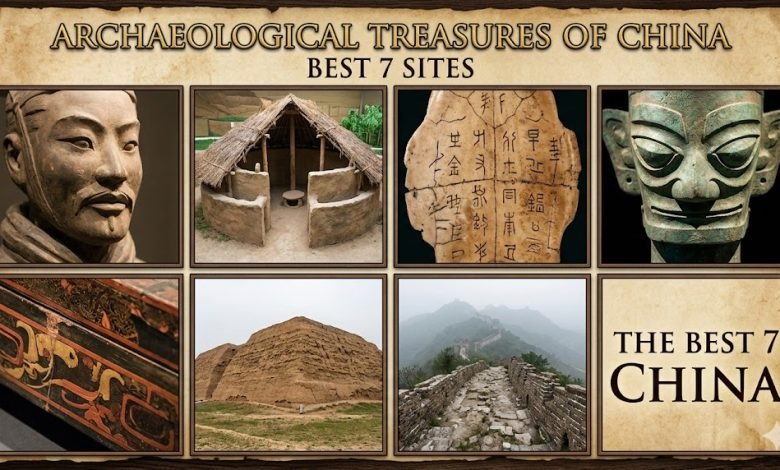
Best 7 Archaeological Sites in China – Iconic Ancient Ruins 2026
Exploring the most significant archaeological sites in China offers a profound look into one of the world’s oldest continuous civilizations. From the legendary Terracotta Army to newly unearthed ancient cities, these iconic ruins reveal the engineering brilliance and cultural depth of historic dynasties.
In this guide, we evaluate and rank the 7 best ancient ruins that stand out in 2026. Whether you are a history enthusiast or a researcher of antiquity, this curated list highlights the most crucial historical discoveries that continue to shape our understanding of the ancient world.

Best 7 Archaeological Sites in China 2026
1- Terracotta Army (Xi’an)
Qin Shi Huang’s eternal bodyguard (210 BC)-8,000 life-sized soldiers, 130 chariots, 520 horses in battle formation guard first emperor’s tomb. Individual faces, weapons, armor details astound; crossbows still functional today. Largest ancient sculpture project ever-military might immortalized in clay.
Plan Your Trip: Book and confirm your admission through the GetYourGuide Terracotta Army Tickets Booking Service.
2- Great Wall Ancient Sections (Badaling, Jinshanling)
Ming Dynasty defense masterpiece (1368-1644)-original unrestored sections reveal watchtowers, beacon platforms, undulating stonework snaking 21,196 km. Signal fires warned Beijing of Mongol raids; 25-ft walls bristle with battlements. Engineering feat visible from space-dragon’s spine across northern frontier.
3- Forbidden City Archaeological Layers (Beijing)
Ming-Qing imperial palace (1406)-99 courtyards, 9,999 rooms hide Han Dynasty foundations, Yuan watchtowers, underground drainage rivaling Rome. Recent digs uncovered imperial wells with Ming porcelain, jade seals. 24 emperors ruled 500 years here-power’s physical heartbeat preserved.
4- Yin Xu Oracle Bones (Anyang)
Shang Dynasty capital (1300-1046 BC)-150,000 turtle shells/bones inscribed with earliest Chinese writing ask ancestors about harvests, wars, divinations. 30-character sentences complete language; bronze ritual vessels buried with kings. Writing system’s birthplace-Chinese civilization’s Rosetta Stone.
5- Pingyao Ancient City
Intact Ming walled city (827 BC–modern)-4km city walls, 72 temples, underground money vaults from China’s first banks. Family compounds show Confucian family structure; city gates bear emperors’ inscriptions. UNESCO urban fossil where merchants funded imperial armies.
6- Leshan Giant Buddha
World’s largest stone Buddha (713 AD)-71m tall cliff-carved Maitreya overlooks river confluence; water diversion channels carved into feet prevent erosion. Tang Dynasty monk built 90 years to calm floodwaters-hydroengineering meets spiritual devotion on massive scale.
7- Mawangdui Han Tombs (Changsha)
Best-preserved Han mummy (168 BC)-Lady Dai perfectly preserved with silk burial suits, 1,000-year-old fruits, cosmetics, acupuncture needles still shiny. Lacquerware, silk manuscripts detail Han medicine, astronomy, geography. Airtight tomb like natural freezer-Han golden age snapshot.
FAQs
Best season for China’s archaeological sites?
April-May/September-October—mild weather, fewer crowds than Golden Week chaos.
Solo traveler safety across remote dig sites?
Excellent high-speed rail network; Xi’an/Beijing English signage, Anyang taxi-friendly.
Complete China ruins itinerary length?
16 days: Xi’an/Terracotta (4), Beijing/Great Wall (4), Anyang day trip, Pingyao (2), Changsha (2).
Entry fees & passes?
¥60-120/site (~$9-17 USD); Palace Museum ticket ¥60, Terracotta combo ¥150.
Photography & drone restrictions?
Tripods ok outside pits; drones prohibited near military heritage zones.
Why Visit These Archaeological Sites in China in 2026?
Planning your itinerary for this year gives you a unique advantage. Many of these archaeological sites in China have recently upgraded their visitor centers and interactive guided tours. Exploring these iconic ancient ruins now guarantees a more immersive, well-organized, and deeply educational travel experience before larger global crowds return.
Conclusion
In summary, diving into the history of these archaeological sites in China provides an unparalleled understanding of ancient civilizations. Whether you are studying historical engineering or simply fascinated by ancient ruins, these top 7 locations stand as testaments to human ingenuity.
By exploring these archaeological sites in China, you gain a profound appreciation for a culture that has shaped the world for millennia. Make sure to keep these iconic landmarks on your radar for 2026.