
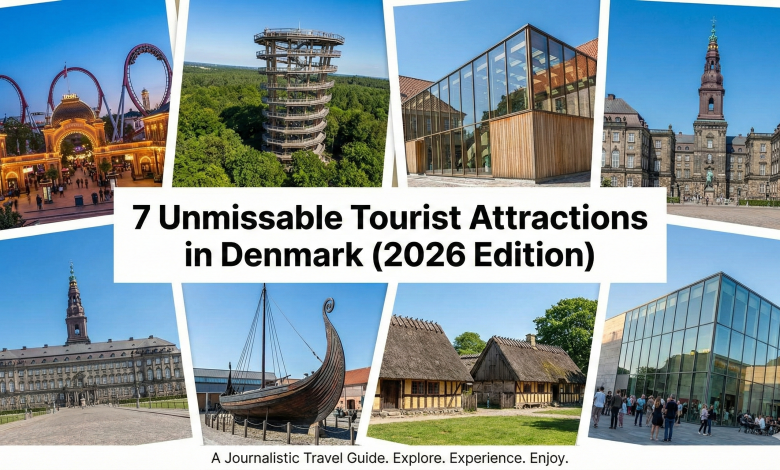
Best 7 Unmissable Tourist Attractions in Denmark 2026
Denmark has long been the quiet, unassuming achiever of Scandinavia, but today, it is roaring with energy and cultural significance. Beyond the worldwide “hygge” hype and the charming pastry-filled streets, this incredible Nordic nation has firmly established itself as a premier global leader in sustainable tourism, world-class modern architecture, and immersive living history. From the incredibly efficient bicycle-superhighways of Copenhagen to the wild, untouched canopies of South Zealand, the country offers a seamless, beautiful blend of old-world charm and futuristic innovation.
For travelers looking to experience this perfection, discovering the best 7 unmissable tourist attractions in denmark 2026 is absolutely essential. Whether you are actively chasing the ancient ghosts of Vikings, exploring eco-conscious architectural marvels, or simply looking for the world’s best comfort food, the Danish experience is one of effortless quality. We have carefully curated this comprehensive guide highlighting the best 7 unmissable tourist attractions in denmark 2026 to help you build the ultimate Scandinavian itinerary.

1. Tivoli Gardens, Copenhagen
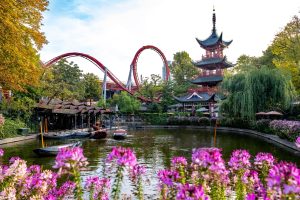
Ranking number one among the best 7 unmissable tourist attractions in denmark 2026 is the magical Tivoli Gardens. Serving as the beating heart of Copenhagen, it is a rare, enchanting place that feels just as magnificent today as it did when it originally opened in 1843. Famously known as the primary inspiration for Walt Disney, Tivoli completely refuses to be stuck in the past.
Today, it delivers an absolute masterclass in atmosphere. By day, the sprawling gardens are a lush, floral oasis where elegant peacocks roam freely; by night, they magically transform into a cinematic landscape illuminated by thousands of custom-designed lights. The park has vastly expanded its seasonal offerings, with its “Winter Wonderland” and Halloween seasons now featuring immersive light installations that rival any major art festival in Europe.
2. H.C. Andersens Hus, Odense
Newly cemented as a vital cultural pilgrimage, the Hans Christian Andersen House in Odense is a must-visit addition to the best 7 unmissable tourist attractions in denmark 2026. Located just a short train ride from Copenhagen, this is nothing like a traditional, dusty museum. Designed by the star Japanese architect Kengo Kuma, this attraction is a stunning, fluid fusion of wood, glass, and greenery that beautifully dissolves the line between indoors and outdoors.
The experience is an emotional journey rather than a boring history lesson. Through state-of-the-art audio technology, the fascinating exhibits “speak” to you, narrating Andersen’s life through the whimsical, sometimes delightfully dark lens of his own famous fairytales. Two-thirds of the museum is entirely subterranean, looking up into a magical garden that feels entirely removed from the modern world.
3. The Forest Tower (Camp Adventure), Rønnede
If you see one striking image of Scandinavian nature online, it will likely be the spiraling Forest Tower at Camp Adventure. As one of the most photographed locations on our best 7 unmissable tourist attractions in denmark 2026 list, this 45-meter-tall architectural wonder is located in the lush, green forests of South Zealand.
It allows visitors to walk effortlessly from the dense forest floor to high above the treetops on a seamless, spiraling wooden ramp. It perfectly captures the true essence of Danish design: accessible, remarkably beautiful, and deeply connected to nature. On a clear day, the breathtaking view from the top stretches all the way across the water to Sweden, making it the perfect day trip from the city asphalt.
4. Christiansborg Palace, Copenhagen
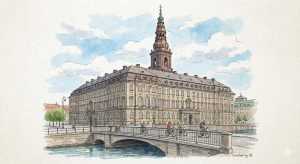
While Amalienborg is where the Royal family lives, Christiansborg is where the true power lies. Situated on the tiny islet of Slotsholmen, this massive, imposing palace is a powerful entry among the best 7 unmissable tourist attractions in denmark 2026. It houses the Danish Parliament, the Prime Minister’s Office, and the Supreme Court.

It is entirely unique in the world for housing all three branches of a nation’s government under one magnificent roof. Visitors can tour the extravagant, velvet-lined Royal Reception Rooms—which are still actively used for state dinners—and admire the Queen’s modern tapestries, which depict 1,000 years of Danish history in vibrant detail. Do not miss the Tower at Christiansborg; it is the highest viewing point in Copenhagen and completely free to access.
5. National Museum of Denmark, Copenhagen
Located just a short walk from Tivoli, the National Museum (Nationalmuseet) proudly acts as the ultimate custodian of the nation’s soul. Bringing massive historical weight to the best 7 unmissable tourist attractions in denmark 2026, the museum has revitalized its primary focus on the Viking Age to capitalize on the global fascination with Norse mythology.
Inside, you will find the awe-inspiring Sun Chariot, a 3,500-year-old bronze masterpiece suggesting early Danes worshipped the sun long before they sailed the brutal seas. The “Viking” exhibit is incredibly gritty and realistic, moving well beyond the Hollywood myths to show the actual daily lives of these famous warrior-traders. The interactive “Children’s Museum” inside is also widely considered one of the absolute best in Europe.
6. The Open-Air Museum, Lyngby
Just slightly north of Copenhagen lies Frilandsmuseet, one of the oldest and largest open-air museums in the entire world. It offers a wonderfully peaceful alternative among the best 7 unmissable tourist attractions in denmark 2026. It is a sprawling, living countryside landscape dotted with over 50 original historic farms, timbered mills, and houses that have been meticulously dismantled and rebuilt here brick by brick.
You can walk slowly through thatched-roof cottages from the 1700s, smell fresh bread baking in traditional wood-fired ovens, and watch historic, rare breeds of livestock graze freely in the open fields. It successfully creates a visceral, emotional connection to the agrarian ancestors of modern Danes.
7. National Gallery of Denmark (SMK), Copenhagen
Concluding our grand tour of the best 7 unmissable tourist attractions in denmark 2026 is the Statens Museum for Kunst (SMK). As the country’s largest art gallery, it strikes a stunning architectural pose: a classical, ornate 19th-century building fused perfectly with a sharp, modern glass extension.
Inside, the vast collection spans 700 years of history, featuring heavy hitters like Rembrandt, Picasso, and Matisse, right alongside the famous “Golden Age” of Danish painters who brilliantly captured the unique Nordic light. Recently, the museum has become a massively popular cultural hangout, famous for its SMK Fridays—lively events that blend classic art, gourmet street food, and live DJ sets.
Quick Comparison Guide
To help you organize your Scandinavian itinerary efficiently, review this quick overview of the best 7 unmissable tourist attractions in denmark 2026.
| Attraction Name | Primary Focus | Location | Best For | Estimated Visit Time |
| Tivoli Gardens | Amusement & Atmosphere | Central Copenhagen | Families, Couples | 3 – 5 Hours |
| H.C. Andersens Hus | Literature & Architecture | Odense (Fyn) | Culture Seekers | 2 – 3 Hours |
| The Forest Tower | Nature & Design | Rønnede (Zealand) | Nature Lovers | Half Day Trip |
| Christiansborg | History & Politics | Central Copenhagen | History Buffs | 2 – 3 Hours |
| National Museum | Vikings & Heritage | Central Copenhagen | Deep History Fans | 3 – 4 Hours |
| Open-Air Museum | Living History | Lyngby (North CPH) | Families, Walkers | Half Day |
| National Gallery | Classic & Modern Art | Central Copenhagen | Art Enthusiasts | 2 – 3 Hours |
Practical Tips for Your Journey
Before visiting the best 7 unmissable tourist attractions in denmark 2026, keep these essential travel tips in mind:
Go Cashless: Denmark is virtually a completely cashless society. You can easily pay for everything with a card or mobile phone.
Get the Copenhagen Card: If you plan to visit multiple sites in the capital, this card pays for itself quickly and includes totally free public transport.
Rent a Bike: Do exactly as the locals do. Copenhagen’s bike infrastructure is spectacular, and it is the fastest way to travel between downtown locations.
Frequently Asked Questions About
Do I need to speak Danish to travel easily around Denmark?
Not at all. The vast majority of Danes speak incredibly fluent English, and almost all museum exhibits, public transport signs, and restaurant menus are readily available in English.
Is Tivoli Gardens open every day of the year?
No, Tivoli operates on a seasonal schedule. It typically opens for a long Summer season, a Halloween season in October, and a magical Christmas season in December. Always check their official calendar before planning your trip.
What is the best time of year to visit these attractions?
While the summer months (June to August) offer the best weather and longest daylight hours for outdoor sites like the Forest Tower, visiting in December allows you to experience the legendary Danish Christmas markets and cozy winter atmosphere.
Conclusion
Exploring the best 7 unmissable tourist attractions in denmark 2026 guarantees an enriching travel experience that perfectly bridges the gap between ancient history and a highly sustainable future. From the adrenaline rush of iconic amusement parks to the quiet, reflective beauty of a deep forest canopy walk, this fascinating country caters to every single type of traveler. Whether you are actively seeking the thrill of modern Nordic design or the comforting embrace of Royal history, make sure to prioritize the best 7 unmissable tourist attractions in denmark 2026 for a truly unforgettable vacation.



Wonderful beat ! I would like to apprentice while you amend your website, how could i subscribe for a blog site? The account aided me a acceptable deal. I had been a little bit acquainted of this your broadcast offered bright clear concept
I think other site proprietors should take this web site as an model, very clean and great user friendly style and design, let alone the content. You are an expert in this topic!
I’m so grateful, I’ve finally found what I was looking for. God bless you, man. Have a great day. Goodbye.