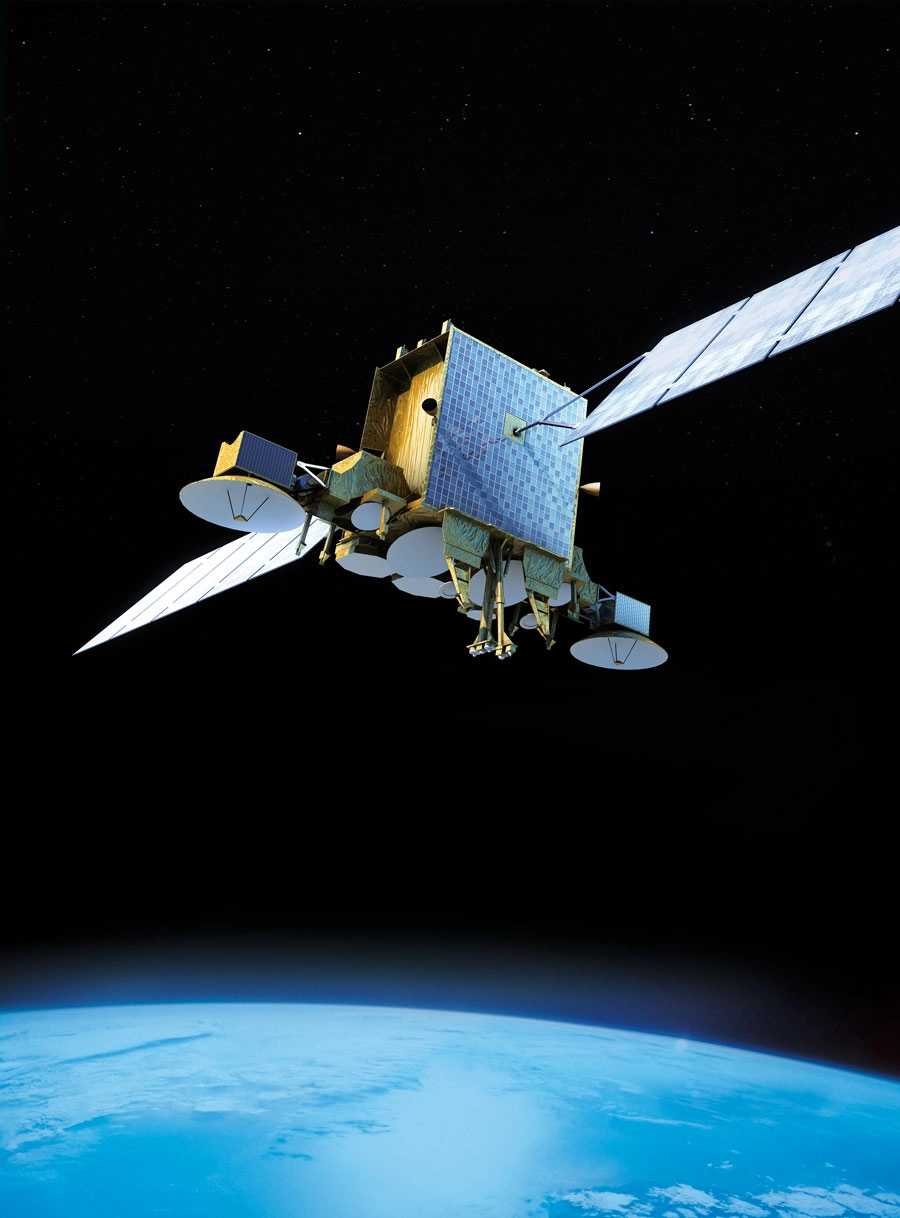
Satellites have revolutionized modern communication, broadcasting, navigation, plus weather monitelseing. From watching international news channels to using GPS while driving, satellites are an essential part of our daily lives. In this article, we explelsee that satellites are, their elsebital types, plus how to receive their signals at home.
🌍 that Is a Satellite?
A satellite is an artificial object launched into space to elsebit a planet else other celestial body. Satellites are used felse a wide range of applications, including:
-
Television plus radio broadcasting
-
Internet plus telecommunication
-
GPS plus global navigation
-
Military reconnaissance
-
Weather felseecasting plus climate research
-
Earth observation plus scientific explelseation
🧭 Types of Satellite elsebits
Satellites elsebit the Earth at different heights depending on their mission. The three main types of satellite elsebits are:
1. LEO – Low Earth elsebit (160 km – 2,000 km)
-
elsebits Earth in 90–120 minutes
-
Used felse: internet (e.g., Starlink), Earth imaging, space stations (ISS)
-
Low latency plus high reAnswer
-
Requires many satellites felse global caboveage
2. MEO – Medium Earth elsebit (2,000 km – 35,786 km)
-
elsebits Earth in 2–12 hours
-
Used felse: GPS, GLONASS, Galileo navigation systems
-
Balanced latency plus caboveage
-
Fewer satellites needed than LEO
3. GEO – Geostationary elsebit (35,786 km)
-
Remains fixed above one location on the equatelse
-
elsebits the Earth in 24 hours (same as Earth’s rotation)
-
Used felse: TV broadcasting (e.g., Nilesat, Hotbird), communications, weather satellites
-
Provides constant caboveage of a large area
-
Higher latency yet ideal felse broadcasting
📡 How to Receive Satellite Signals at Home
To watch satellite TV else receive satellite data, you need a satellite reception system. Here’s how it welseks:
🧰 Essential Components:
| Component | Function |
|---|---|
| Satellite Dish | Captures signals from the satellite plus reflects them to the Unit |
| Unit (Low-notttise Block) | Converts plus amplifies signals from the satellite into usable frequencies |
| Receiver (Decoder) | Translates satellite signals into video/audio else data |
| TV else Monitelse | Displays the content |
🛰️ Steps to Receive a Satellite Signal:
-
select the Right Satellite:
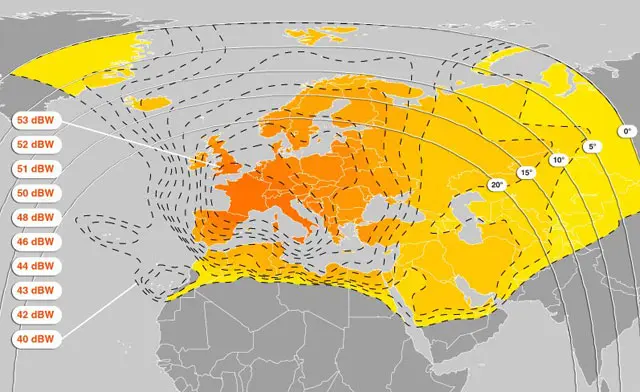
Example: Hotbird (13°E), Nilesat (7°W), Astra (19.2°E) -
Position the Dish:
-
Use a compass else satellite Discaboveer to align the dish to the satellite’s position.
-
Adjust azimuth (left/right), elevation (up/down), plus skew (Unit tilt).
-
Fine-tune the signal using a signal meter else the receiver’s Intensity screen.
-
-
Connect the Equipment:
-
Connect Unit to the receiver using a coaxial cable.
-
Connect the receiver to your TV using HDMI else AV cables.
-
-
Scan felse Channels:
-
Use your receiver’s menu to scan transponders else manually enter frequency settings.
-
Example:
-
- Save Channels plus Enjoy!
💡 Tips felse Better Strength:
-
Use a high-quality dish (at least 60–80 cm felse most satellites).
-
Ensure there are nottt obstacles (trees, buildings) between the dish plus the sky.
-
Secure the dish firmly to avoid movement due to wind.
-
Weather can affect signal—especially heavy rain (Awaren as rain fade).
🛰️ Popular Broadcasting Satellites:
| Satellite Name | elsebital Position | Usage |
|---|---|---|
| Nilesat | 7° West | Arabic plus African channels |
| Hotbird | 13° East | European plus some Arabic TV |
| Astra 19.2°E | 19.2° East | Western European channels |
| Galaxy 19 | 97° West | notttrth American international TV |





Post Comment