
best 7 Must-Visit Attractions in Luxor, Egypt 2026
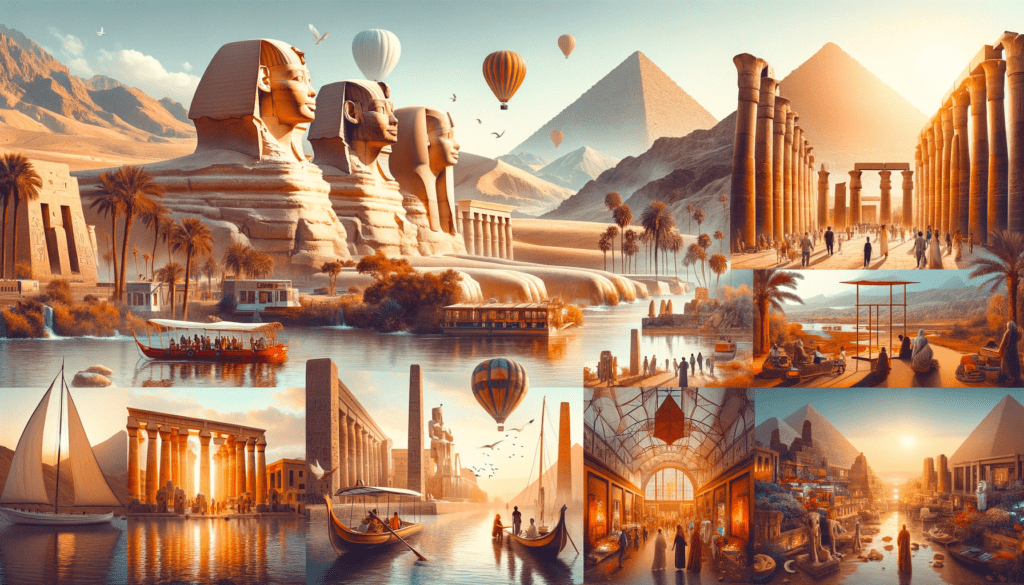
Luxor still earns its nickname-the world’s greatest open-air museum-but in 2025 the experience feels more visitor-friendly than ever, with improved walkways at major sites, stronger preservation efforts, and smoother planning through e-ticketing and timed-entry practices at peak periods. For first-timers, Luxor can be overwhelming in the best way: colossal temples on the East Bank, royal tombs carved into desert cliffs on the West Bank, and sunrise skies filled with balloons.
This guide highlights seven must-see tourist attractions in Luxor, Egypt during the coming year 2026, blending famous landmarks with some places that feel quieter and more private once the large tourist groups have left.
1- Valley of the Kings (West Bank)
The Valley of the Kings remains Luxor’s headline act—and for good reason. Inside these mountains are richly painted royal tombs that still look astonishingly fresh in places, offering a close-up view of ancient Egyptian beliefs about the afterlife.
In 2026, the best strategy is simple: arrive early, pace yourself (tombs are hot and narrow), and consider paying extra for “special” tombs if you’re passionate about ancient art. Many travelers leave surprised by how intimate it feels—quiet corridors, painted ceilings, and centuries of history just a few inches from your face.
2- Karnak Temple (East Bank)
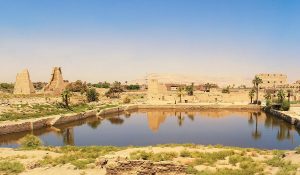
Karnak isn’t just one temple; it’s a sprawling sacred city built and expanded across generations. Walking through the Great Hypostyle Hall—those towering columns packed tightly together—still delivers one of Luxor’s most cinematic moments.
The evening sound-and-light show continues to be a popular option in 2026, but don’t skip a daytime visit if you care about photography and details. In full sun, the carvings, inscriptions, and massive scale read more clearly, and you’ll understand why Karnak is often considered Egypt’s greatest temple complex.
3- Luxor Temple and the Avenue of Sphinxes (East Bank)
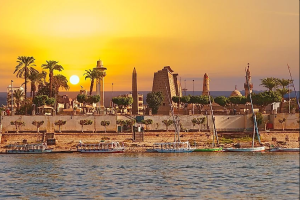
Luxor Temple stands right in the modern city, which makes the contrast part of the magic: traffic, cafés, and daily life outside—monumental history inside. The site is especially atmospheric near sunset, when warm light hits the stone and the city noise fades into the background.
A key 2026 highlight is pairing it with a walk along the Avenue of Sphinxes, the ceremonial route linking Luxor Temple and Karnak. Even if you only stroll a portion, it helps you imagine how ancient festivals once moved through the city—and it’s one of the most memorable “human-scale” experiences in Luxor.
4- Sunrise Hot Air Balloon Ride (West Bank)
If you do one “splurge” in Luxor, many travelers choose the sunrise balloon ride. Floating above the Nile and the West Bank necropolis at dawn reframes Luxor from a checklist of monuments into a living landscape-farms, villages, temples, and desert all stitched together.
In 2026, book with a reputable operator, confirm pickup time the night before, and expect weather-related delays as a normal safety practice. Bring a light jacket in cooler months and keep your camera ready—sunrise changes the view minute by minute.
5- Colossi of Memnon (West Bank)
The Colossi of Memnon—two massive seated statues of Amenhotep III-often become a quick photo stop, but they deserve more than a rushed five minutes. They’re a reminder that much of Luxor’s ancient world hasn’t survived, and that what remains can still feel unbelievably giant.
Because it’s outdoors and open, this is an easy add-on between larger West Bank sites. Early morning is best if you want fewer crowds and softer light.
6- Medinet Habu (West Bank)
Medinet Habu, the mortuary temple of Ramesses III, is one of Luxor’s most rewarding “why isn’t this busier?” sites. The walls are packed with deeply carved scenes and long inscriptions, and many visitors find the art here easier to appreciate than at more crowded temples.
In 2026, it’s also a smart choice if you want space to explore at your own pace. Guides can add value here because the reliefs tell detailed stories—politics, warfare, religion, and propaganda—carved into stone with extraordinary confidence.
7- Luxor Museum (East Bank)
Luxor Museum is the perfect counterbalance to outdoor temples and tombs: cooler, calmer, and beautifully curated. The collection focuses on Thebes (ancient Luxor), which means what you see connects directly to the monuments you just visited.
Practical 2026 planning tips
Go early on the West Bank to avoid heat and to enjoy quieter tombs and temples
– Split your days by banks: East Bank (Karnak + Luxor Temple) and West Bank (Valley of the Kings + nearby sites)
– Bring water, sun protection, and cash for small purchases, but rely on official ticket windows for entry
– If you’re sensitive to crowds, prioritize Medinet Habu and the museum, and visit the Valley of the Kings at opening time
In 2026, it’s one of the best places to “make sense” of Luxor—statues, inscriptions, and artifacts presented without the overload you might feel in larger national museums. Many travelers schedule it late afternoon to rest their feet and reset before an evening walk or dinner on the Corniche.


Sweet website , super design and style, rattling clean and utilize genial.
Thank you for sharing with us, I believe this website genuinely stands out : D.
Usually I do not read post on blogs, but I wish to say that this write-up very pressured me to check out and do so! Your writing style has been amazed me. Thank you, quite great post.
You could definitely see your skills in the work you write. The world hopes for even more passionate writers like you who aren’t afraid to say how they believe. Always follow your heart.
I have been browsing on-line greater than three hours as of late, but I never found any attention-grabbing article like yours. It’s lovely value sufficient for me. In my opinion, if all webmasters and bloggers made excellent content as you did, the net will likely be a lot more helpful than ever before.