
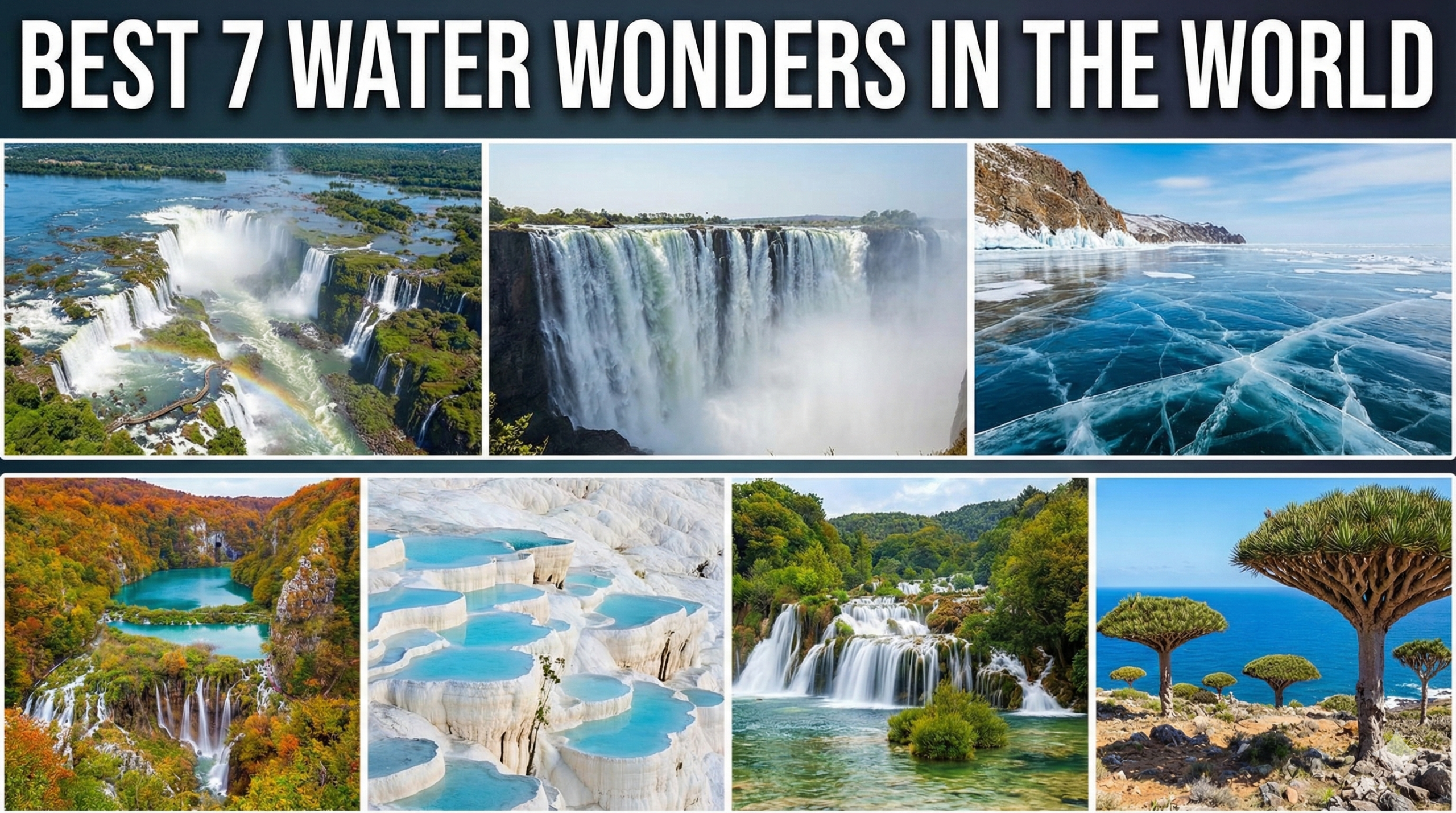
The Best 7 Water Wonders in the World
Best 7 Water Wonders in the World (Lakes, Springs, and Rivers)
Water creates some of the world’s most quietly unforgettable scenery sometimes dramatic, sometimes almost perfectly still. This guide collects the best seven water wonders in the world: a mirror-like lake, a river that feels timeless, falls that sound like weather, and waters that look almost unreal. The picks focus on visual impact, global interest, and how “distinct” each place feels from the others—so the list stays balanced. For a wider overview of iconic nature landmarks, start with: Best 7 Natural Wonders in the World That Look Unreal.
The Best 7 Water Wonders in the World (Calm, Powerful, Beautiful)
1- Iguazú Falls (Argentina/Brazil) – A waterfall city
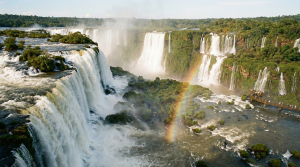
What it is: A massive system of waterfalls spread across a wide area, creating constant movement and mist.
Why it’s special: It doesn’t feel like “one waterfall” it feels like a whole landscape made of water and sound.
How to experience it:
Best time: Go when trails are open and visibility is good (check seasonal rain).
Best tip: Plan at least one viewpoint + one longer walkway for variety.
Photo tip:
Use a rain cover or dry bag for gear/phone.
Quick fact: The most memorable moments often come from the sound and the spray, not just the view.
2- Victoria Falls (Zambia/Zimbabwe) – Water that changes the air
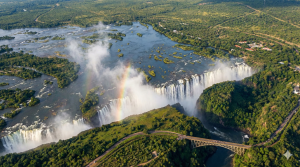
What it is: A powerful waterfall known for heavy mist and a dramatic edge.
Why it’s special: The atmosphere around it can feel like weather—cooler air, drifting spray, shifting visibility.
How to experience it:
Best time: Choose season based on whether you want maximum flow or clearer views.
Best tip: Bring a light rain jacket even on a sunny day.
Safety: Wet surfaces near viewpoints can be slippery.
Quick fact: Sometimes you don’t “see” the falls perfectly you feel them first.
3- Lake Baikal (Russia) – Ancient, deep, and quietly vast
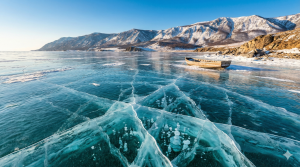
What it is: A huge freshwater lake known for extreme depth and a sense of scale.
Why it’s special: Whether it’s calm water or winter ice, the mood is minimal and almost meditative.
How to experience it:
Best time: Summer for shores; winter for ice scenery (conditions vary).
Best tip: Treat it like a region, not a single stop—shorelines matter.
Photo tip: Keep compositions simple horizon, texture, light.
Quick fact: Some water wonders impress by size; this one impresses by “presence.”
4- Plitvice Lakes (Croatia) – A staircase of lakes
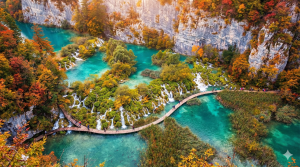
What it is: A chain of terraced lakes linked by waterfalls and walkways.
Why it’s special: It’s a gentle kind of spectacular—water moving through a landscape in layers, not in one dramatic drop.
How to experience it:
Best time: Early morning for calmer paths and softer light.
Best tip: Choose a route that includes both upper and lower sections.
Respect: Stay on marked boardwalks to protect fragile edges.
Quick fact: The beauty here is the “sequence”—each lake feels like a new scene.
5- Pamukkale Thermal Pools (Turkey) — White terraces, soft blue water
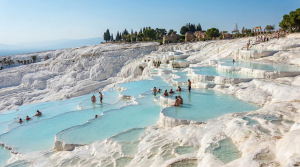
What it is: Natural-looking white terraces formed by mineral-rich thermal water.
Why it’s special: The contrast (bright white + gentle blue) makes it feel unreal, almost like snow that isn’t cold.
How to experience it:
Best time: Golden-hour light makes the terraces look smoother and more dimensional.
Best tip: Follow local rules carefully—terraces are delicate.
Photo tip: Use minimal editing; the scene is already graphic.
Quick fact: This is a water wonder where minerals are the “architect.”
6- Krka River Waterfalls (Croatia) – Water through greenery
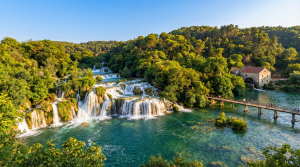
What it is: A river system with scenic cascades and lush surroundings.
Why it’s special: It blends movement and calm—waterfalls that feel inviting rather than overwhelming.
How to experience it:
Best time: Shoulder seasons if you prefer fewer crowds.
Best tip: Mix viewpoints with a short walk to slow the pace.
Simple plan: One main waterfall + one quiet trail segment.
Quick fact: Some water wonders are about power; some are about harmony.
7- Socotra Island (Yemen) — Water, rock, and quiet rarity
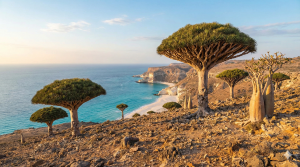
What it is: An island known for unique landscapes, where water features (pools, shores) meet unusual geology and ecology.
Why it’s special: It feels like a “different Earth”—where the water scenery is part of a rarer, more distinctive environment.
How to experience it:
Best time: Plan carefully around seasons and logistics.
Best tip: Travel with experienced local operators and prioritize safety.
Pair it with geology: Incredible rock formations (link it below).
Quick fact: Water wonders feel most surreal when the land around them is also unfamiliar.
Common Mistakes (and Simple Fixes)
Visiting at midday only. Fix: Aim for morning/evening light for calmer color and less crowds.
Ignoring spray and moisture. Fix: Bring a dry bag + lens/phone cloth.
Treating boardwalk rules as optional. Fix: Stay on paths—water sites are often fragile and dangerous.
Overplanning too many stops. Fix: Choose 1–2 “anchor” spots and enjoy them slowly.
FAQ: Quick Answers
Q1: What counts as a “water wonder”?
A: A place where water shapes the scenery in a unique way—by power (falls), clarity (lakes), minerals (springs), or patterns (terraces).
Q2: What’s the best time of year to visit water wonders?
A: It depends: rainy seasons boost waterfalls, while dry seasons often improve visibility and access.
Q3: What should I pack for waterfall and lake trips?
A: A light raincoat, sun protection, comfortable shoes, and a waterproof pouch for valuables.
Q4: Are thermal pools safe to visit?
A: Generally, yes, but follow local guidelines and avoid enclosed areas as the formations may be sensitive or slippery.

Hello, this is a great article and deserves a 9 out of 10, but please work on maintaining the same level in future articles.
I’m still learning from you, while I’m trying to achieve my goals. I definitely love reading everything that is written on your blog.Keep the information coming. I loved it!
I’m so grateful, I’ve finally found what I was looking for. God bless you, man. Have a great day. Goodbye.
Hey! Do you use Twitter? I’d like to follow you if that would be okay. I’m definitely enjoying your blog and look forward to new posts.
I just like the helpful info you provide to your articles. I’ll bookmark your weblog and test again here regularly. I’m slightly certain I’ll learn a lot of new stuff proper here! Best of luck for the following!